About Anomics
Anomics is a diagnostic project concerned with binding, settlement, and coordination in modern social life. It examines what happens when norms remain visible and widely invoked, yet lose their capacity to constrain behavior, close outcomes, and discharge obligation over time.
The project begins from a simple but persistent observation: contemporary interaction often feels strangely expensive. Not primarily in money, but in attention, interpretation, and vigilance. Participation continues—often politely, even warmly—yet outcomes remain unreliable. Words do not hold. Timing ceases to mean what it once did. Commitments fail to survive time. The question that follows is not “Who is bad?” but “Why does it keep failing even when no one is trying to fail?”
The Core Diagnosis
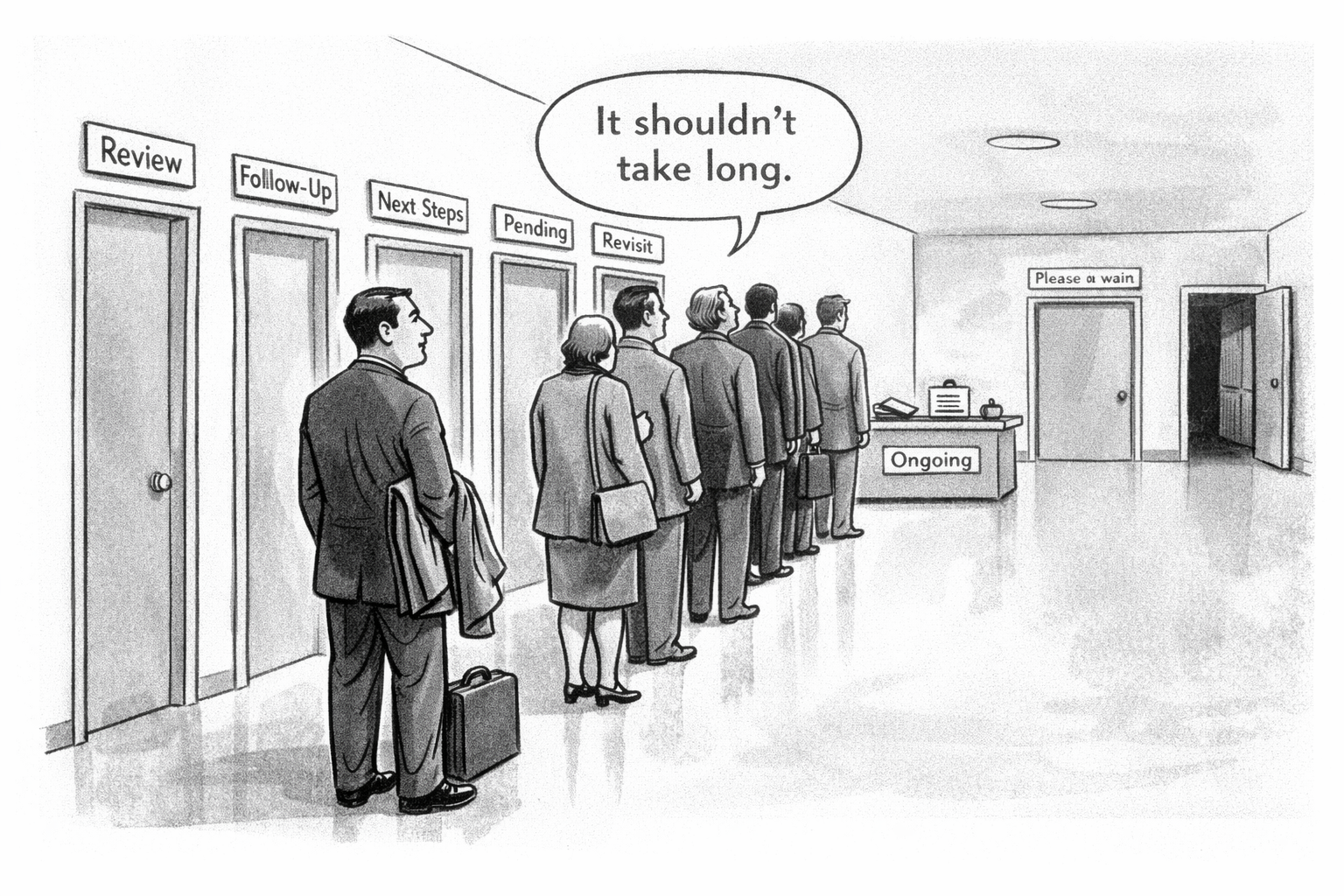
The essay Anomie: Why It Keeps Failing When Norms Remain Visible but No Longer Bind establishes the project’s foundational claim. Drawing on Durkheim and Robert K. Merton, it treats anomie not as moral decay or normlessness, but as a structural failure of coordination: a condition in which rules persist as speech while losing their capacity to bind action across time. In such environments, norms proliferate, intentions are expressed, and sincerity remains widespread, yet settlement becomes optional and obligation increasingly reversible. The burden of regulation migrates from structure to individual cognition, producing vigilance and exhaustion as rational adaptations rather than personal pathologies.
Recognition Without Closure
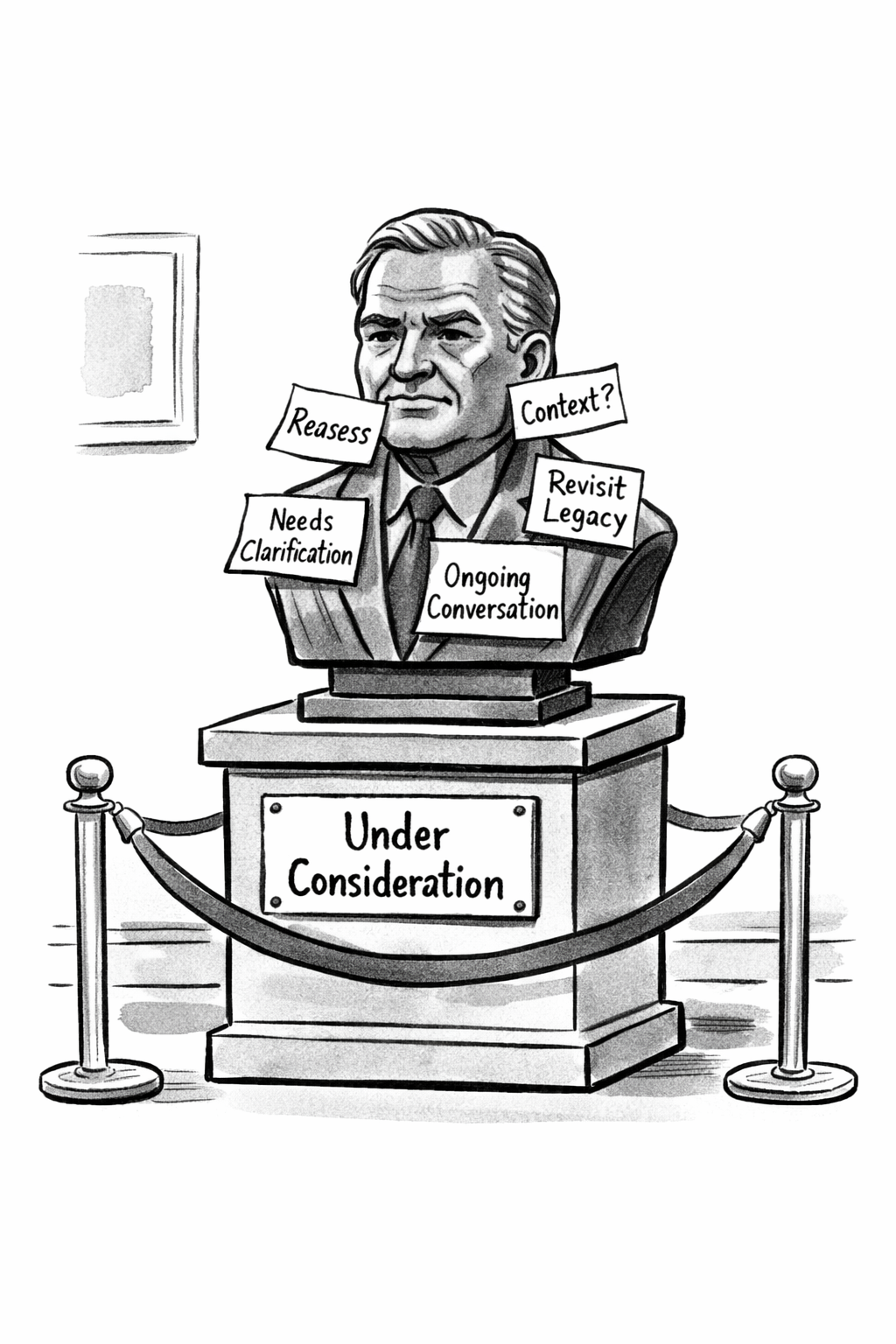
The essay Recognition Without Verdict extends this diagnosis into the domain of legitimacy and evaluation. Revisiting Merton’s account of cumulative advantage, it shows how recognition once operated within systems capable of sufficient closure—imperfect but decisive mechanisms that converted attention into authority and permitted coordination. Under contemporary conditions of non-settlement, that conversion increasingly fails. Recognition circulates without verdict, advantage inverts into permanent exposure, and legitimacy becomes a standing demand rather than a settled outcome. The problem is not disagreement, but the loss of authorized decision as a binding act.
Uneven Anomie
The essay Uneven Anomie clarifies the scope of the project by showing that anomic conditions are not uniformly distributed. Through comparative analysis of domains such as elections, courts, medicine, organizations, and platforms, it demonstrates where closure still occurs—and why. Some institutions retain the capacity to decide despite disagreement through authorized procedures, time-bounded processes, irreversibility, and ratified exit. Others permit continuous participation without settlement. Anomics, on this view, names a patterned failure mode rather than a total condition of modernity.
Anomics as Negative Design Science
The essay Anomics as Negative Design Science formalizes the Anomics project as a diagnostic discipline rather than a reform agenda. It argues that contemporary anomie is not caused by moral decline or loss of meaning, but by a structural mismatch: tools designed for continuous adjustment—feedback, reversibility, optionality—have migrated into institutions that exist to impose closure. The essay shows how this mismatch weakens binding and settlement, producing environments rich in intention and explanation but poor in finality. By framing Anomics as a negative design science, the essay specifies the conditions under which coordination becomes impossible regardless of sincerity or effort, offering structural clarity without prescription.
The Project as a Whole
Taken together, these essays advance a single structural claim: modern societies increasingly permit engagement without settlement. Binding is treated as excess exposure, optionality as sophistication, and closure as risk. The result is not chaos or hostility, but a form of coordination collapse that appears as chronic fatigue, diffuse resentment, and persistent inability to end.
Anomics is deliberately non-prescriptive. It does not offer reforms, therapies, or nostalgic restorations. Its aim is diagnostic clarity: to distinguish disagreement from non-settlement, to identify the mechanisms by which binding fails, and to show where closure still holds, where it erodes, and why.
Each essay is written to be finite. Each stops when its analytic task is complete. Together, they form a cumulative account of the operating system under which modern trust, authority, and obligation increasingly run.
If the diagnosis is accurate, it should be legible without moral appeal. If it is wrong, it should fail on its merits. Anomics exists to make that evaluation possible.